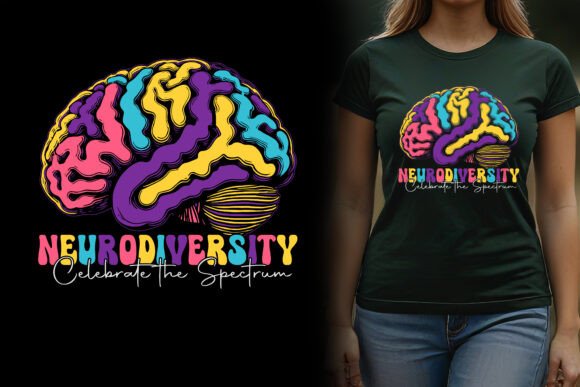
Neurodiversity Celebrate the Spectrum Review
As a designer who spends more time staring at stitch charts and fabric swatches than most people spend sleeping, I have developed a keen eye for what makes an embroidery design work in the real world. It is one thing to look pretty on a screen; it is another entirely to hold up under the tension of an embroidery hoop, the friction of a needle, and the scrutiny of a customer holding their new purchase. Today, I am putting Neurodiversity Celebrate the Spectrum through its paces. This piece falls under the umbrella of T-Shirt Designs and Graphics, but let us be clear: if you are looking to turn this into a wearable statement or a heartfelt gift, the execution matters just as much as the concept.
First Impressions and Visual Personality
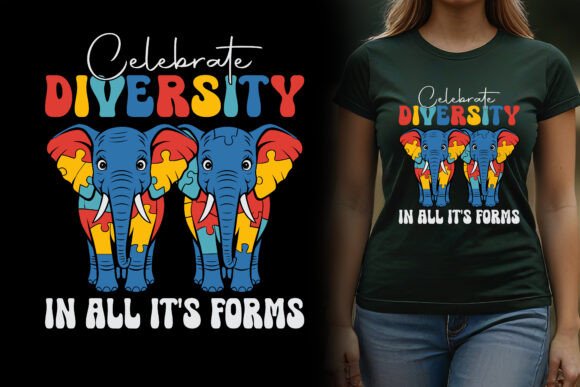
The moment I loaded the file for Neurodiversity Celebrate the Spectrum, the mood was immediately recognizable. It carries that specific blend of advocacy and warmth that defines modern autism awareness graphics. The layout feels balanced, avoiding the cluttered chaos that can sometimes plague busy designs. For a designer, this is a relief. There is enough visual weight to command attention without overwhelming the eye, which suggests it will translate well to physical media.
The theme centers on celebration rather than pity or medicalization, which resonates deeply with current community standards. When I imagine this stitched out, I picture vibrant thread colors bringing the spectrum imagery to life. However, the success of this embroidery project hinges on how those colors interact with your chosen base fabric. The design has a personality that is inclusive and proud, making it a strong candidate for custom apparel where the wearer wants to signal allyship or personal identity clearly and confidently.
Real-World Application: From Screen to Stitch
I often find myself testing these digital assets against practical scenarios before recommending them. Let us talk about a specific use case: preparing a batch of custom embroidered tote bags for a local craft fair. You want something that looks professional from ten feet away but holds up to daily wear. Neurodiversity Celebrate the Spectrum fits this bill nicely. On a canvas tote, the graphic elements would pop, especially if paired with neutral threads for the background and brighter tones for the accent shapes.
But it is not limited to bags. Consider the potential for sweatshirt embroidery. A hooded sweatshirt offers a larger, flatter surface area, allowing the design’s details to breathe. This could easily become a staple item for an Etsy seller targeting parents, special education teachers, or advocates. The design also translates beautifully to apron embroidery for kitchen-themed gifts or even patch applications for denim jackets. The versatility here is high, provided you respect the limits of the medium.
For personalized gift markets, such as baby showers or holiday gifting, this design strikes the right emotional chord. A onesie featuring Neurodiversity Celebrate the Spectrum is a tender, meaningful choice for families navigating neurodivergence. It signals support and love in a way that text-heavy designs sometimes cannot. The visual language speaks directly to the heart of the recipient, enhancing the perceived value of the handmade product.
Technical Considerations and Potential Pitfalls
Even the best machine embroidery design can fail if placed poorly. Here is where my experience as a reviewer comes in: I urge caution when considering small hoop sizes. While Neurodiversity Celebrate the Spectrum may look compact on a monitor, intricate details can get lost or merge together if the scale is too small. If you are attempting this on a cap or a tiny accessory, inspect the fine lines closely. Tiny lettering or delicate curves might require a higher resolution source or a simplified version of the graphics to remain legible after stitching.
Fabric choice is equally critical. Textured fabrics like heavy waffle-knit towels or thick chenille blankets can distort the clean lines of the design. Thin or stretchy knits, common in cheap t-shirts, may pucker if the stabilizer is not chosen correctly. I recommend using a cut-away stabilizer for knitwear to prevent distortion during washing. Dark fabrics present another challenge; ensure your thread contrast is sufficient. A light-colored design on black fabric needs bold, dense stitches to stand out, whereas a dark design on white requires careful hooping to avoid showing through to the front.
Also, consider the durability of the finished item. If this is intended for frequent washing, such as a child’s clothing or a work apron, check the density of the fill stitches. Excessive density can make the fabric stiff and uncomfortable, while insufficient density can lead to thread breakage. Always test on scrap fabric first to gauge how the thread colors behave on your specific material.
Designer’s Checklist for Success
- Test on Scrap: Never run a full production run without a test stitch-out. Check for thread tension issues and color clashes.
- Review Stitch Density: Ensure the design is not too dense for the fabric type. Too much stitching can cause puckering; too little can look sparse.
- Check Hoop Size: Verify that your machine’s hoop accommodates the design dimensions with adequate margin for hooping.
- Inspect Details: Zoom in on the digital file. Are there any isolated pixels or tiny elements that might disappear when stitched?
- Mockup in Black and White: Convert the design to grayscale to check contrast levels between different thread colors.
- Confirm Licensing: Before listing this as a small shop product or selling commercial embroidery items, double-check the license terms. Some digital embroidery files allow personal use only, while others permit commercial sales of finished goods.
Final Verdict on Visual Appeal and Brand Value
From a branding perspective, Neurodiversity Celebrate the Spectrum projects professionalism and empathy. It avoids clichés while remaining instantly recognizable to those in the know. For an Etsy seller or craft business owner, this means higher trust and better engagement. Customers appreciate designs that feel authentic and thoughtfully executed. When combined with quality materials and precise stitching, this design elevates the entire finished product.
It works exceptionally well for holiday embroidery campaigns, where buyers seek meaningful gifts over generic merchandise. It also serves as a strong foundation for design assets used in printable mockups, helping you visualize the final result before committing to production. Whether you are creating a single personalized gift for a friend or scaling up for a boutique collection, this design offers a solid balance of aesthetic appeal and thematic depth.
In conclusion, Neurodiversity Celebrate the Spectrum is a versatile and emotionally resonant addition to any embroiderer’s library. It performs best on stable fabrics like cotton twill, canvas, or jersey, with proper stabilization and attention to thread contrast. Avoid overly complex or tiny applications unless you are confident in your machine’s precision. By following basic testing protocols and respecting the technical limits of embroidery, you can turn this digital graphic into a tangible symbol of support that customers will cherish. Just remember to verify your licensing rights before you start selling, and always prioritize the tactile quality of your work. That is the mark of a true professional.